
Weekly vs. Monthly Grocery Shopping: What's Cheaper?
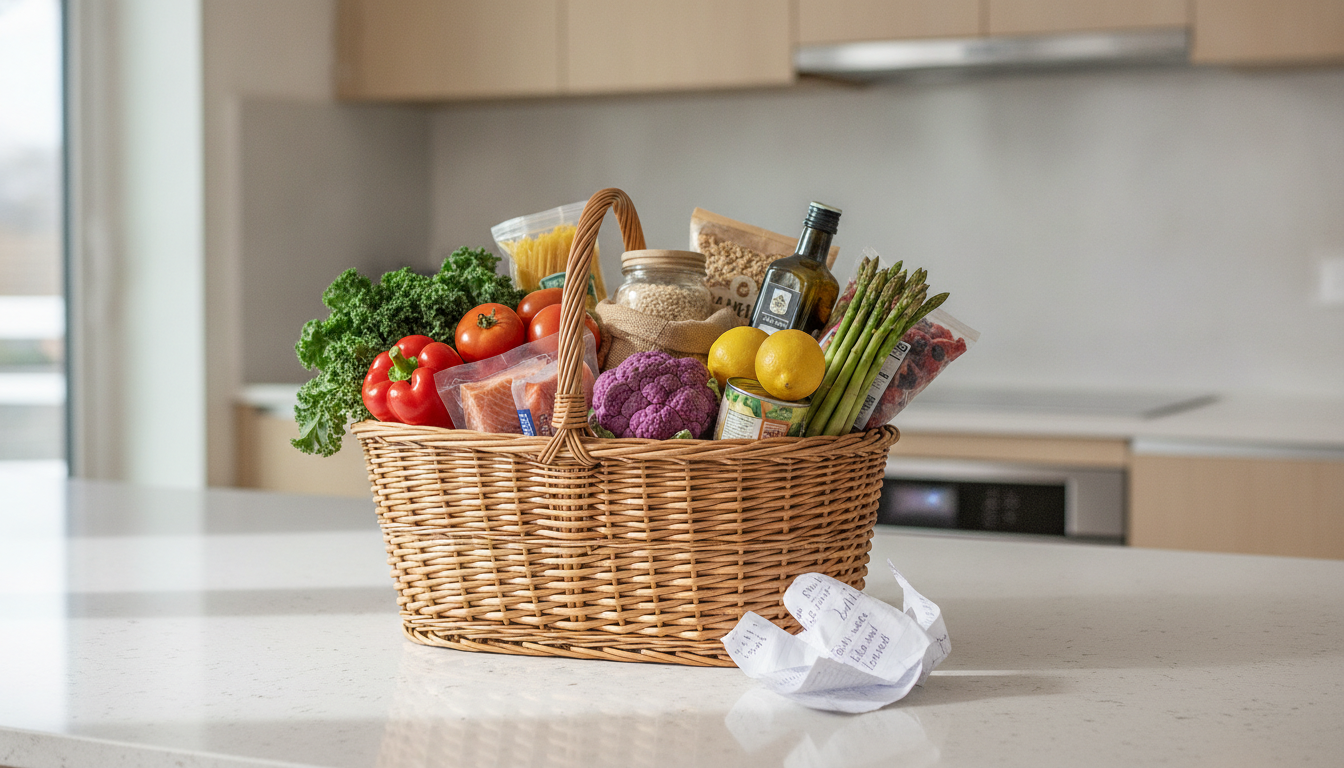
You've just wrestled a 40cm Aldi Kassenbon into your wallet, folding it three times only to find the thermal print already fading around 'H-MILCH' and 'BUTTERKSP'. That familiar frustration hits: how much did I really spend, and could I have saved money by shopping differently? For many of us, the choice between weekly vs. monthly grocery shopping feels like a balancing act between convenience, freshness, and the ever-present question: what's cheaper?
TL;DR: There’s no single cheaper option between weekly and monthly grocery shopping; it depends entirely on your lifestyle, storage, and planning. While monthly shopping can offer bulk savings and fewer trips, it risks more food waste and higher upfront costs. Weekly shopping provides fresher food and better budget control but might mean more frequent impulse buys. The real saving comes from understanding your habits and using an app like Costmanager.online to track your personal spending and price history.
The Core Question: Weekly vs. Monthly Grocery Shopping Costs
When you stack up weekly vs. monthly grocery shopping, it's easy to assume one is inherently better for your wallet. But the reality is more nuanced. Both approaches have their financial benefits and drawbacks, and the 'cheaper' option often boils down to how well you plan and execute your shop.
The Allure of Monthly Hauls
Imagine a family in Italy, stocking up at a large Ipercoop or Carrefour Iper once a month. The trolley is overflowing with pasta, canned goods, long-life milk, frozen vegetables, and cleaning supplies. This grand shopping expedition can feel incredibly efficient. You’re in, you’re out, and you don’t have to think about a major shop for weeks.
- Potential for Bulk Savings: Many supermarkets offer better per-unit prices on larger packages. Think multipacks of yogurt, family-sized pasta bags, or bulk toilet paper. If you buy these less frequently, you can theoretically save.
- Fewer Travel Costs: One big trip means less fuel, fewer public transport tickets, and less wear and tear on your vehicle.
- Reduced Impulse Buys (Potentially): If you’re only in the shop once a month, you have fewer opportunities to be tempted by those strategically placed impulse items near the checkout.
- Time Savings: While the monthly shop itself is a big chunk of time, it’s just one chunk. You free up other weekends or evenings that would typically be spent on smaller grocery runs.
However, monthly shopping comes with its own set of challenges that can quickly erode any perceived savings:
- Storage Space: Do you have enough pantry, fridge, and freezer space for a month's worth of food? Many European kitchens are smaller, making large-scale bulk buying impractical.
- Freshness Factor: Fresh produce, dairy, and meat simply don't last a month. You’ll still need supplementary trips for these, negating some of the 'fewer trips' benefit.
- Higher Upfront Cost: A monthly shop can easily hit €300-€600 or more, depending on family size. That's a significant lump sum to pay out of your budget all at once.
- Increased Food Waste Risk: If you overbuy perishables or misjudge what you’ll eat, you’re more likely to throw food away before you can use it.
The Case for Weekly Trips
Now, consider a busy professional in Germany who prefers weekly runs to Lidl, Rewe, or Edeka. Their basket is smaller, focused on fresh ingredients for the week's meals, and maybe a few replenishments for the pantry. This approach feels more agile and responsive to immediate needs.
- Fresher Food, Less Waste: Buying only what you need for a few days means less food sitting around and a lower chance of anything spoiling. That forgotten packet of spinach wilting at the back of the fridge becomes a less frequent occurrence.
- Better Budget Control: Smaller, more frequent spends make it easier to stay within a weekly budget. You see the impact of each shop almost immediately.
- Adapt to Sales and Promotions: Weekly flyers in shops like Edeka or Carrefour often highlight deals that only last a few days. You can adjust your shopping list to take advantage of these without overcommitting.
- Lighter Loads: No need to haul huge bags or fill your car to the brim. This is a blessing if you rely on public transport or walk.
But weekly shopping isn't without its downsides:
- More Travel Time and Fuel: More trips mean more time spent commuting to and from the shop, and more fuel costs if you drive.
- Increased Impulse Buys (Potentially): Being in the shop more often means more exposure to tempting displays. Those €0.99 chocolate bars at the checkout add up fast.
- Missing Out on Bulk Discounts: You might not benefit from the 'buy one get one free' or larger pack savings if you're only buying smaller quantities.
Beyond the Checkout: Hidden Costs and Savings
The price you pay at the till isn't the whole story. Several 'hidden' costs can sway whether weekly or monthly shopping truly saves you money.
Food Waste: The Silent Budget Killer
Food waste is a huge financial drain. According to various European studies, households throw away a significant amount of edible food each year. For example, in many European countries, a typical household might waste hundreds of euros worth of food annually. This isn’t just bad for the planet; it’s money literally in the bin.
- Monthly Shopping Risk: If you buy a huge amount of fresh produce for a month, you're almost guaranteed to have some spoil. Those extra yogurts might expire, the 'value pack' of chicken might go off before you can freeze it all.
- Weekly Shopping Benefit: By buying just what you need, you minimise the risk of spoilage. You're more likely to eat everything before it goes bad.
Impulse Buys: The Unplanned Expense
Supermarkets are masters of persuasion. From the bakery smells at the entrance to the clever placement of 'essentials' that force you through aisles of tempting snacks, every detail is designed to make you spend more.
- More Trips, More Temptation: The more often you visit a shop, the more chances you have to grab that extra bag of crisps, a new brand of artisanal cheese, or a magazine at the checkout. These small, unplanned purchases accumulate significantly over a month.
- Monthly Shoppers Beware: While fewer trips might reduce *opportunities* for impulse buys, the sheer size of a monthly shop can lead to larger, more expensive impulse purchases if you're not disciplined.
Fuel and Time: What's Your Commute Worth?
Don't forget the cost of getting to the shop. If you drive, factor in petrol prices (which vary wildly across Europe, from cheaper in Poland to more expensive in the Netherlands) and even depreciation on your car. If you use public transport, those bus or metro tickets add up. And what about your time?
- Monthly Shopping: Fewer trips mean lower travel costs. If your main shop is a 30-minute drive, doing it once saves you more than doing it four times.
- Weekly Shopping: More frequent trips mean higher accumulated travel costs. However, if your local Lidl is a 5-minute walk, the impact is minimal.
Using Your Data to Decide: The Costmanager.online Advantage
General advice is good, but your personal spending habits are unique. This is where your own data becomes invaluable. Instead of guessing, you can see exactly where your money goes and what shopping pattern truly saves you cash.
You’re probably familiar with the struggle of deciphering a faded 'scontrino' or a long 'ticket de caisse' that’s impossible to photograph in one go. Instead of guessing how much that 'MOZZ BBL' actually cost or trying to keep track of VAT lines (IVA/MwSt/TVA), Costmanager.online makes it easy. You simply snap a photo of your receipt – even multi-part long ones – or upload a PDF. Our service, powered by Google's Gemini AI, accurately reads those cryptic lines for you, extracting items and prices with high precision. This means every purchase, whether from a weekly top-up at the corner shop or a monthly stock-up at a hypermarket, gets logged accurately into your account for review.
Tracking Your Spending by Category
Costmanager.online automatically categorises your spending. This is incredibly powerful for understanding your weekly vs. monthly habits. Are you spending too much on fresh produce (which might suit weekly shops) or pantry staples (better for monthly bulk buys)?
- Fresh Produce: If your 'Fresh Fruit & Veg' category is consistently high for monthly shops due to spoilage, that's a clear signal to shift some of those purchases to weekly trips.
- Pantry Staples: If you see great deals on pasta, rice, or canned goods during a monthly shop, and your data shows you use them all, then monthly bulk buying in this category is efficient.
Learn more about understanding your spending with our guide: Spending by Category: A Guide to Smarter Grocery Budgeting.
Price History and Smart Shopping Lists
One of Costmanager.online's standout features is its ability to track price history for individual products across different shops. This is your secret weapon in the weekly vs. monthly debate.
- Spot True Deals: See if that jumbo pack of pasta is *actually* a good deal compared to its price last month, or if Aldi is consistently cheaper than Rewe for your preferred brand of coffee. You can easily compare Aldi vs. Lidl prices for specific items over time.
- Optimise Your Shopping List: Create your shopping list in the app, and Costmanager.online suggests the cheapest shops for your entire basket. This is game-changing. You might find that a monthly trip to one hypermarket for staples, combined with a weekly trip to a local discount store for fresh items, is the most cost-effective approach.
This data-driven approach helps you avoid 'phantom savings' – where a bulk purchase seems cheaper but ends up wasted or was never truly a good deal. Try Costmanager.online's smart shopping list and see the difference.
Budgeting and Price Alerts (Pro Features)
If you're serious about optimising your spending, our Pro tier (€4.99/month) gives you powerful budgeting tools and price alerts.
- Set Budgets: Create weekly or monthly budgets for different categories. See in real-time if your current shopping pattern keeps you within your limits.
- Price Alerts: Get notified when your favourite items drop to a target price. This lets you strategically buy non-perishables in bulk only when they're at their absolute cheapest, fitting perfectly into a hybrid shopping strategy.
| Feature | Weekly Shopping | Monthly Shopping |
|---|---|---|
| Initial Outlay | Lower, spread out | High, lump sum |
| Food Waste Risk | Lower | Higher (especially perishables) |
| Freshness of Food | Excellent, consistently fresh | Requires supplementary trips for fresh items |
| Travel Costs (Fuel/Tickets) | Higher (more frequent) | Lower (fewer trips) |
| Impulse Buy Risk | Higher (more exposure) | Lower (fewer opportunities) |
| Bulk Deal Utilisation | Lower (unless planned) | Higher (if storage allows) |
| Storage Requirements | Lower | Higher |
| Budget Control | Easier to manage small, frequent spends | Harder to track large, infrequent spends |
| Flexibility to Sales | High, can adapt quickly | Lower, less responsive to short-term sales |
Key Takeaways
- Neither weekly nor monthly grocery shopping is inherently cheaper; it depends on your individual circumstances.
- Monthly shopping can offer bulk savings and reduced travel, but watch out for food waste and the large upfront cost.
- Weekly shopping ensures fresher food and better budget control, but can lead to more travel time and impulse buys.
- Food waste and impulse purchases are significant hidden costs that can negate any perceived savings.
- Using a tool like Costmanager.online to track your actual spending, item prices, and categories is the most effective way to determine what strategy works for *you*.
- Consider a hybrid approach: monthly for non-perishables and weekly for fresh items, guided by your personal data.
Making Your Grocery Schedule Work for You
Ultimately, the best way to shop for groceries isn't a fixed rule, but a flexible strategy tailored to your life. The real power comes from understanding your habits, your family's needs, and the true cost of your purchases, including hidden factors like waste and travel. Experiment with different schedules, track your spending diligently using Costmanager.online, and analyse your data. You might find a hybrid model – a large monthly stock-up for pantry items combined with smaller weekly trips for fresh produce – is your sweet spot for savings and convenience. The most effective way to save money on groceries is to be informed by your own financial reality.
For more tips on mastering your grocery budget, check out: How to Track Grocery Spending: Your Ultimate Guide and How to Track Your Personal Grocery Inflation.
Frequently asked questions
Is weekly or monthly grocery shopping cheaper?
There's no definitive answer; it depends on your shopping habits, storage space, and ability to avoid food waste and impulse buys. Monthly shopping can offer bulk discounts and fewer travel costs, but risks spoilage. Weekly shopping provides fresher food and better budget control but might mean more frequent trips and potential impulse purchases. The cheapest method is the one that best suits your lifestyle while minimizing waste and unplanned spending.
How can I reduce food waste with monthly shopping?
To reduce food waste when shopping monthly, focus on buying non-perishable items in bulk. For fresh produce and dairy, plan supplementary weekly trips. Utilise your freezer effectively, meal plan meticulously for the month, and store food properly to extend shelf life. Using a budgeting app to track what you actually consume can also highlight areas where you frequently overbuy.
What are the biggest hidden costs in grocery shopping?
The biggest hidden costs often include food waste from spoiled or unused items, impulse buys made at the checkout or during frequent trips, and the cumulative cost of travel (fuel, public transport) to and from the shops. Not factoring in the time spent shopping also overlooks a significant personal cost. These can quickly erode any savings from careful planning or bulk purchases.
How does Costmanager.online help me track weekly vs. monthly spending?
Costmanager.online helps by allowing you to easily scan all your receipts, regardless of frequency or length, using its AI-powered service. It categorizes your spending, so you can compare how much you spend on different items (e.g., fresh produce vs. pantry staples) over weekly or monthly periods. This data, along with price history per product and the smart shopping list feature, empowers you to see which shopping strategy truly saves you money.