Shrinkflation: How to Spot It with Size & Price History
You grab your usual bag of coffee beans from the supermarket shelf, feeling the familiar weight. But when you get home, something feels... off. Did the bag get smaller? Or is it just your imagination? You check the price – still the same, or maybe even a little higher. This isn't your imagination; it's probably shrinkflation, and it's a sneaky way manufacturers are cutting costs without you always noticing.
TL;DR: Shrinkflation is when products get smaller, but their price stays the same or increases, effectively making you pay more for less. To spot it, you need to actively check product net weights, volumes, or counts, and compare these with past purchases. A receipt scanning app like Costmanager.online can be your best tool for tracking this historical data, helping you uncover hidden price hikes and make smarter shopping decisions.
What is Shrinkflation and Why It Matters
Shrinkflation is a term that describes what happens when a manufacturer reduces the size, quantity, or volume of a product while keeping its price the same. Sometimes, they even increase the price. It's a subtle form of inflation that can seriously impact your grocery budget because you're getting less product for the same amount of money. Think about your favourite packet of biscuits: same packaging, same price, but fewer biscuits inside. Or that tub of ice cream that now feels a bit lighter.
Manufacturers often use shrinkflation to absorb rising production costs without raising headline prices directly. They know most shoppers notice price increases immediately but are less likely to notice a subtle reduction in product size. They might re-design the packaging to make it look bigger, or use phrases like “new and improved formula” to distract you from the fact that there’s less product in the box.
For us, the shoppers, it means our money simply doesn't stretch as far. We might think we're buying the same amount of food as before, but in reality, we're slowly getting less and less, week by week. This makes it really hard to stick to a budget or even understand where all our money is going.
The Power of Your Receipt: Tracking Size
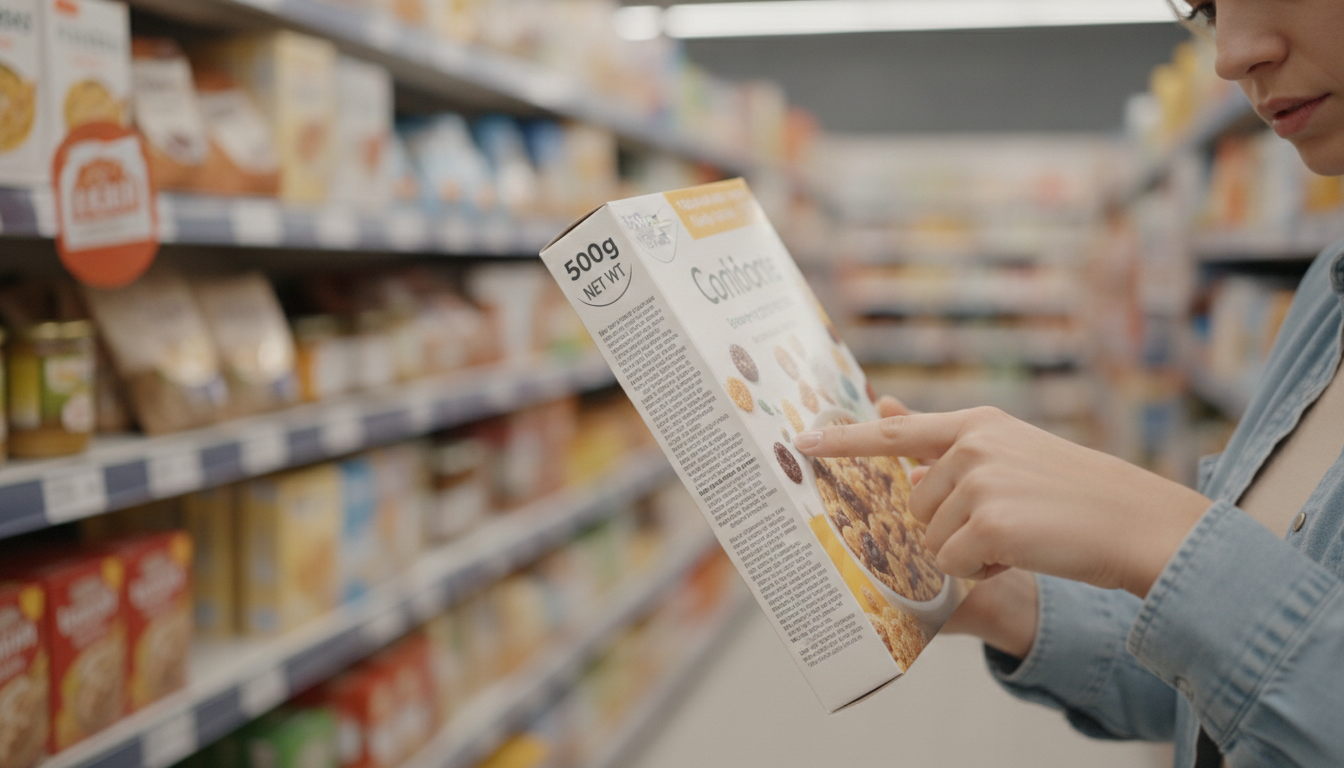
The first step in fighting shrinkflation is to pay attention to the details on your receipt. Specifically, you need to look at the net weight, volume, or count of the items you buy. This is usually listed in grams (g), kilograms (kg), millilitres (ml), litres (l), or as a simple count (e.g.,
Frequently asked questions
What exactly is shrinkflation?
Shrinkflation is when a company reduces the size, weight, or quantity of a product while keeping its price the same, or even increasing it. It's a stealthy way for manufacturers to pass on rising costs without directly increasing the product's listed price on the shelf.
How can I tell if a product has been hit by shrinkflation?
The best way to spot shrinkflation is to consistently check the net weight, volume, or piece count listed on the packaging. Compare this against previous purchases or what you remember the product being. Tracking price per unit over time with a tool like Costmanager.online makes this much easier.
Is shrinkflation legal or illegal?
Shrinkflation itself is generally legal, as long as the manufacturer accurately labels the new, smaller net weight, volume, or count on the packaging. However, it can be seen as misleading to consumers, especially when packaging remains the same size, giving the illusion of more product.
What can consumers do to fight shrinkflation?
Consumers can fight back by becoming more vigilant shoppers: check product labels for net weight, compare unit prices, and track price history over time. Consider switching to competitor brands that offer better value, or even buying store-brand products which are often less susceptible to these changes.