
Save Money on Groceries in Italy: Smart Shopping Tactics
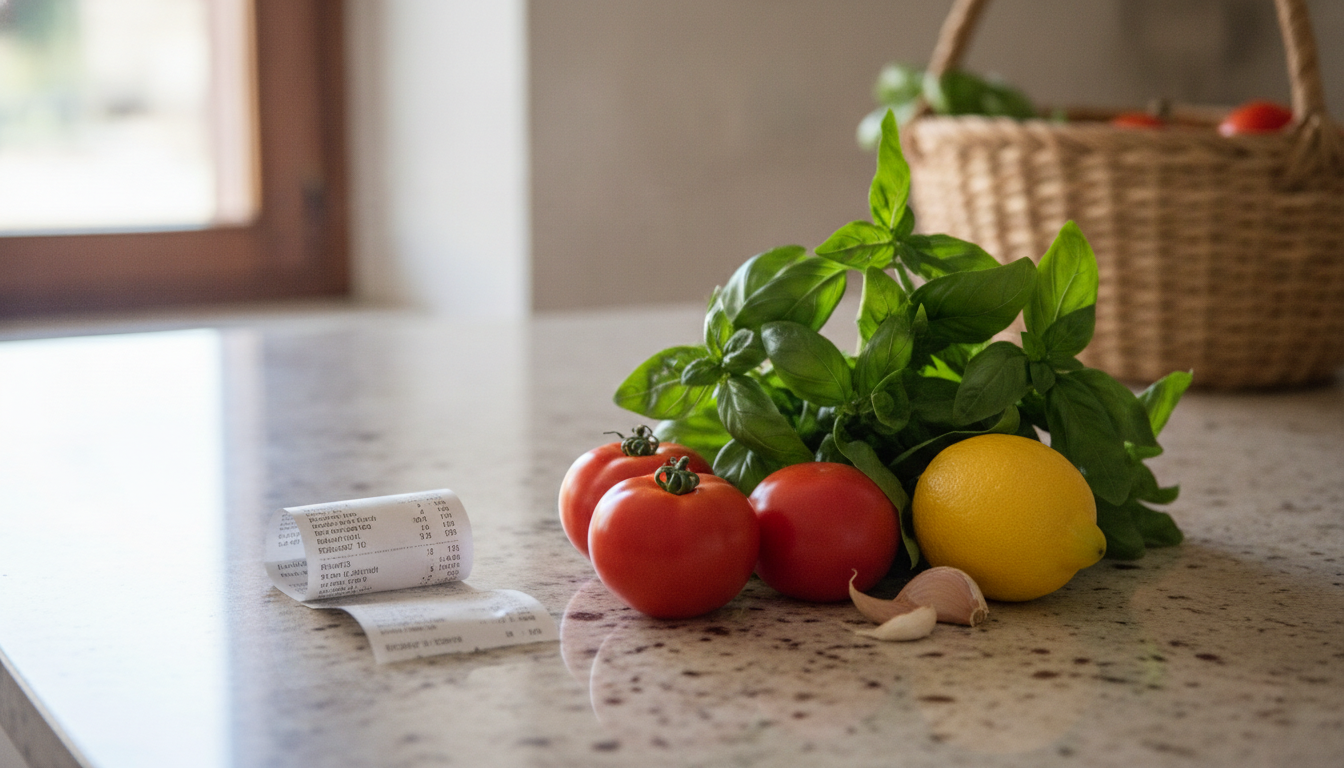
You've just unpacked your bags from the weekly shop at Conad, and as you toss the scontrino onto the counter, you notice the familiar 'MOZZ BBL' line item – what exactly did that mean for your budget this week? Or maybe you've tried to snap a picture of a 40 cm Esselunga receipt, only to find it won't all fit in one go, leaving you with partial records of your spending. The reality is, saving money on groceries in Italy can feel like a puzzle, with varying prices, regional specialities, and those sometimes-cryptic supermarket receipts. But it doesn't have to be a struggle.
This article lays out practical, actionable strategies specifically tailored for shopping in Italy. We'll explore everything from understanding the local supermarket landscape to mastering your shopping list and using tools that genuinely help you see where your money goes. No vague advice here, just straightforward tactics you can put into practice today.
TL;DR
To effectively save money on groceries in Italy, focus on understanding the local supermarket tiers (discount vs. premium), prioritising seasonal and local produce, meal planning to reduce waste, and diligently tracking your spending with tools like Costmanager.online. Comparing prices, utilising loyalty programs, and being mindful of packaging sizes also contribute significantly to cutting costs.
Key Takeaways
- Know Your Supermarkets: Understand the price differences between chains like Lidl, Aldi, Esselunga, Conad, and local markets.
- Plan Your Meals: Reduce impulse buys and food waste by creating a weekly meal plan and a corresponding shopping list.
- Embrace Seasonal & Local: Buying produce in season and from local markets often means better quality and lower prices.
- Track Every Cent: Use a receipt scanner app like Costmanager.online to categorise spending, identify price trends, and see where your money goes, even with long or faded Italian receipts.
- Compare Prices: Don't assume one shop is always cheapest for everything. Check flyers and use price tracking features.
- Be Wary of Promotions: Only buy what you truly need, even if it's on sale.
Understanding the Italian Supermarket Scene
Italy offers a diverse range of supermarkets, each with its own pricing strategy and product focus. Knowing where to shop for what can make a big difference to your bill.
Discount Chains: Lidl and Aldi
These are often your go-to for significant savings, especially on staples, household items, and a surprising variety of Italian and international specialities. Don't let the 'discount' label fool you; many products are good quality, particularly their fresh produce and baked goods.
- Lidl Italia: Widely available, with weekly flyers packed with deals. They often have 'themed' weeks focusing on specific cuisines or product types.
- Aldi Italia: A strong competitor to Lidl, also offering good value. They've expanded rapidly in recent years.
These stores excel at keeping prices low on everyday essentials, but their brand selection is limited to their own labels. You'll find things like 'Latte Fresco' (fresh milk) and 'Pasta di Grano Duro' (durum wheat pasta) at very competitive prices.
Mid-Range & Regional Supermarkets: Conad, Esselunga, Coop, Carrefour
These chains form the backbone of Italian grocery shopping for many. They offer a wider selection of national brands, local products, and often have more fresh counters (macelleria, salumeria, pescheria – butcher, deli, fishmonger). Prices here are generally higher than at discounters, but sales and loyalty programs can make a difference.
- Esselunga: Strong in the North, known for quality, good fresh counters, and excellent loyalty programs (Fìdaty card). Their points system can lead to substantial discounts.
- Conad: A cooperative, meaning many stores are locally owned, which can lead to regional variations in pricing and stock. Very common across Italy.
- Coop: Another cooperative, often focused on ethical sourcing and quality. Prices can be a bit higher, but they have good private labels.
- Carrefour: Offers a range from hypermarkets (Iper) to smaller express stores. Prices vary, and promotions are frequent.
Shopping at these stores often means paying a bit more for convenience or specific brand loyalty. However, their fresh food sections can be superior, and they often carry local specialities that discounters might not.
Local Markets (Mercati Rionali)
Don't overlook your local daily or weekly market! For fresh fruit, vegetables, and sometimes cheese, meat, and fish, these can offer fantastic value, especially if you go towards closing time. The produce is seasonal, often locally sourced, and can be significantly cheaper than supermarkets. Plus, it's a great way to support local producers and immerse yourself in Italian culture. You'll need to know a few Italian food words, but it's worth the effort.
Strategic Shopping: When and Where to Buy
Once you know the lay of the land, you can start applying strategies to your shopping routine.
Meal Planning is Your Best Friend
Seriously, this is probably the single most effective way to cut down your grocery bill and reduce food waste. Before you even think about stepping into a shop:
- Check your pantry and fridge: What do you already have that needs to be used up?
- Plan meals for the week: Focus on using similar ingredients across multiple meals to minimise waste. For instance, if you buy a head of broccoli, plan a pasta dish, a side dish, and maybe a soup that uses it.
- Create a precise shopping list: Stick to it! Don't just list 'vegetables', but '500g broccoli', '2 courgettes'.
This simple act prevents impulse buys and ensures you only buy what you need.
Embrace Seasonal and Local Produce
This is important in Italy, where food culture is deeply tied to seasonality. Buying out-of-season produce means it's likely been imported, travelled far, and will cost you more. Seasonal produce is not only cheaper but also tastes better and is often more nutritious.
- Spring: Asparagus, artichokes, peas, strawberries.
- Summer: Tomatoes, courgettes, aubergines, peaches, apricots.
- Autumn: Mushrooms, pumpkins, grapes, chestnuts.
- Winter: Citrus fruits, cabbage, broccoli, chicory.
Local markets are excellent for this, but even supermarkets will highlight seasonal offers.
Compare Prices and Check Flyers
It's rare for one supermarket to be the cheapest for every single item. Take a few minutes each week to browse the online flyers (volantini) of your local shops. You might find that Conad has a great deal on pasta this week, while Lidl has cheaper olive oil.
For bigger ticket items or things you buy regularly, keep a mental note of prices across different stores. Some apps even aggregate flyers, making comparison easier.
Utilise Loyalty Programs
Most mid-range and premium supermarkets offer loyalty cards (e.g., Esselunga's Fìdaty card, Conad Card). These often provide members-only discounts, accumulate points for vouchers, or give access to special promotions. It costs nothing to sign up, and the savings can add up.
Buy in Bulk (Wisely)
For non-perishable staples like pasta, rice, tinned tomatoes, and olive oil, buying larger sizes or multi-packs when they're on sale can be cost-effective. However, only do this for items you know you'll use before they expire, and ensure you have storage space. Don't fall into the trap of buying a huge jar of something you rarely use just because it's 'cheaper per kilo'.
Mastering Your Receipt: The First Step to Savings
This is where many shoppers lose track. Those long, thermal paper scontrini from Italian supermarkets can be a nightmare. They fade quickly, abbreviations like 'MOZZ BBL' or 'SUG CIL' (Sughetto di Ciliegino, perhaps?) leave you guessing, and if you take multiple photos, piecing them together can be a chore. But if you don't know what you're spending on, how can you save?
This is precisely where an app like Costmanager.online changes the game. It’s built to tackle these challenges head-on.
Effortless Receipt Capture
Whether you have a short receipt from a local alimentari or a sprawling scontrino from an Ipercoop, Costmanager.online lets you capture it all. You can take multiple photos of a long receipt, and the app intelligently stitches them together, ensuring every item is recorded. No more struggling to get everything in one blurry shot or giving up on half your purchases.
Intelligent Item Recognition and Categorisation
That 'MOZZ BBL' entry? Costmanager.online uses Google's Gemini AI service by default to read your receipt images and PDFs. This powerful AI not only deciphers even faded thermal print but also understands those common Italian supermarket abbreviations. It translates items into clear product names and automatically categorises your spending (e.g., 'Dairy', 'Produce', 'Pantry').
This means you get item-level insights without the manual effort. If there's ever a rare instance where the primary AI service isn't available, the app has a built-in on-device OCR as a fallback. Even then, product translation and categorisation may still use the Gemini AI to ensure accuracy. Importantly, your receipts are processed and held securely for your review and approval – nothing is saved to your account until you confirm it, and your data is never sold.
Track Price History and Find Cheaper Shops
One of Costmanager.online's standout features is its ability to track the price history of specific products across different shops. Imagine knowing that your favourite brand of pasta is regularly cheaper at Lidl than at Conad, or that the price of olive oil has gone up 15% in the last month. This data empowers you to make informed decisions about where and when to buy.
The app also includes a shopping list feature that can suggest the cheapest shop for your entire list based on historical prices. This saves you the tedious work of comparing flyers yourself.
Understand Your Spending Categories
Beyond just tracking, Costmanager.online helps you understand where your money is going. Seeing a breakdown of your spending by category (e.g., 30% on produce, 20% on meat, 15% on snacks) can highlight areas where you might be overspending. This insight is critical for effective budgeting. For more on this, check out our article on understanding your spending by category.
Using a tool like this transforms your scontrini from indecipherable paper slips into powerful data for saving money. You can learn more and get started at Costmanager.online.
Smart Habits and Avoiding Traps
Beyond where and when you shop, your habits in the store play a big role in your budget.
Never Shop Hungry
This is classic advice for a reason. When you're hungry, everything looks good, and you're far more likely to make impulse purchases you don't need or overbuy on snacks and treats.
Stick to Your List (Mostly)
While flyers and loyalty programs offer good deals, it's easy to get sidetracked. Your shopping list is your guide. Allow yourself one or two 'treat' items if you must, but otherwise, be disciplined.
Beware of 'Special Offers'
Supermarkets are masters of persuasion. '3 for 2' deals or large discount percentages only save you money if you genuinely need and will use the product. Don't buy extra just because it's on sale if it will go bad or you'll never consume it.
Opt for Private Labels
Many Italian supermarkets have excellent private label (marca privata) products that are significantly cheaper than national brands, often produced by the same manufacturers. Try the Coop, Esselunga, or Conad brand pasta, passata, or biscuits – you might be pleasantly surprised by the quality and the savings.
Reduce Meat Consumption
Meat, especially certain cuts, can be a major budget drain. Consider incorporating more vegetarian or legume-based meals into your weekly plan. Lentils, chickpeas, and beans are incredibly versatile, nutritious, and very affordable in Italy.
Bring Your Own Bags
This is a small saving per trip, but it adds up, and it's better for the environment. Plus, some stores charge a nominal fee for bags.
The Power of Comparison: Discount vs. Mid-Range Supermarkets
| Feature | Discount Supermarkets (e.g., Lidl, Aldi) | Mid-Range Supermarkets (e.g., Conad, Esselunga) |
|---|---|---|
| Price Level | Generally lower on staples and own-brand items | Higher on average, but good deals with loyalty cards/promotions |
| Product Selection | Limited to mostly own-brands, some national/international specialities | Wide range of national and local brands, extensive fresh counters |
| Fresh Produce Quality | Good and seasonal, but selection might be smaller | Often higher quality, wider variety, especially organic/specialty |
| Loyalty Programs | Less common or simpler (e.g., app-based discounts) | Extensive, points-based systems with significant rewards (e.g., Esselunga Fìdaty) |
| Overall Experience | No-frills, quick shopping, can be busy | More traditional shopping experience, better service, wider aisles |
| Best For | Staples (pasta, rice, oil), household goods, some fresh produce, specific weekly offers | Specific national brands, fresh meat/fish/deli, local specialities, building loyalty points |
Your Path to Saving Money on Groceries in Italy
Cutting your grocery bill in Italy isn't about deprivation; it's about being smart and strategic. It means being aware of the options available, understanding your spending habits, and making informed choices. From choosing the right supermarket for each item to leveraging technology to track your purchases, every small change contributes to significant savings over time. By combining careful planning with the power of tools like Costmanager.online, you can enjoy the fantastic food culture of Italy without breaking the bank.
Frequently asked questions
Are Italian supermarkets generally expensive compared to other European countries?
Prices can vary significantly, but Italy is generally considered to be mid-range in terms of grocery costs within Europe. Discount supermarkets like Lidl and Aldi offer very competitive prices, while premium Italian chains and specialty stores can be more expensive. Factors like regional differences and seasonal availability also play a big role.
What's the best way to track my spending on Italian groceries accurately?
The most effective way is to use a receipt scanning app like Costmanager.online. It automatically reads even long or faded Italian receipts (scontrini) using AI, categorises your purchases, and tracks price history. This gives you detailed insights into where your money is going and helps you identify saving opportunities without manual data entry.
How can I find the cheapest prices for specific grocery products in Italy?
Comparing weekly flyers (volantini) from different supermarkets is a good start. For consistent savings, use an app like Costmanager.online, which tracks the price history of products across various shops. Its shopping list feature can even suggest the cheapest store for your entire list based on historical data.
Is it really worth shopping at discount supermarkets like Lidl or Aldi in Italy?
Absolutely. Lidl and Aldi offer excellent value on many staples, household goods, and even fresh produce. While their brand selection is limited, their own-brand products are often high quality and significantly cheaper than national brands found in mid-range supermarkets, making them a key part of any money-saving strategy.