
Reduce Food Waste, Save Money: Shop Frequency Secrets
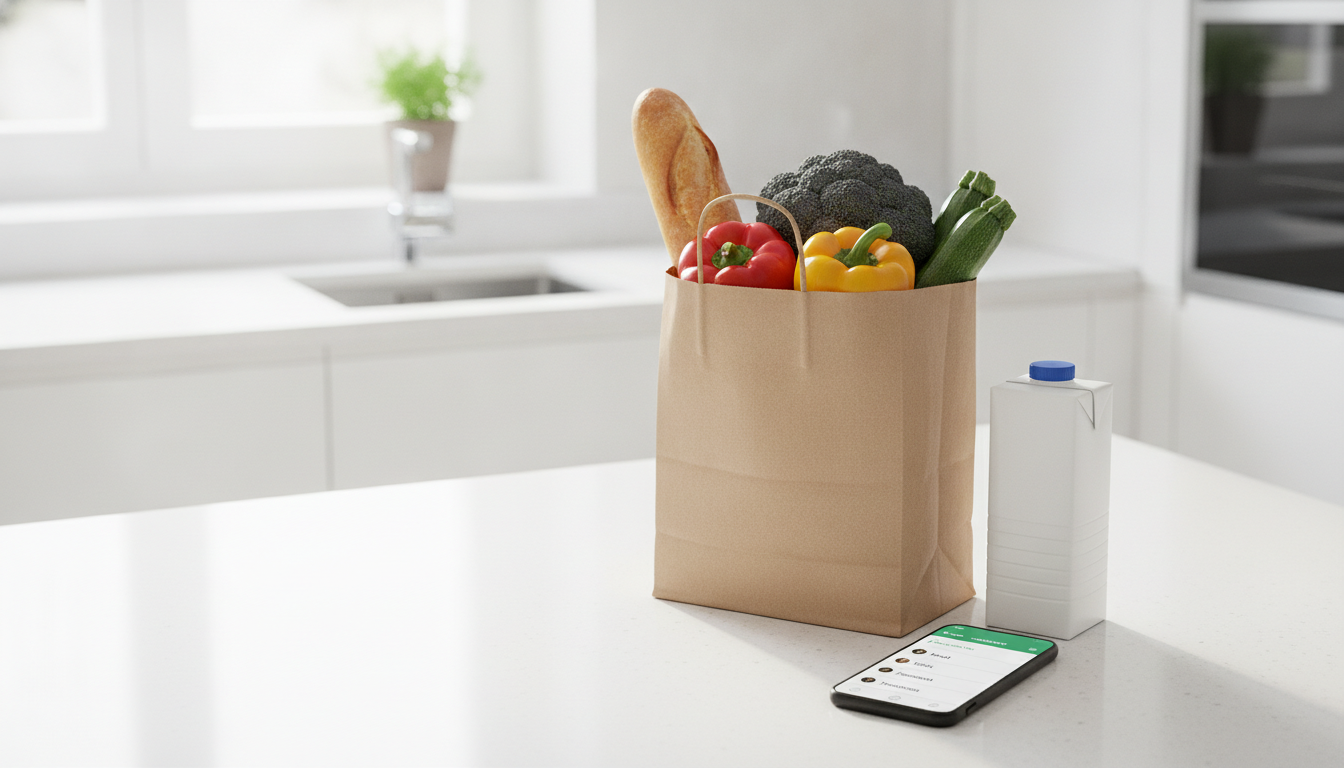
You open the fridge, staring at the half-full bag of spinach that's gone slimy, the sad, wrinkly peppers, and the nearly full tub of yoghurt just past its 'best by' date. Another week, another few euros literally in the bin. It's a frustratingly common scene, especially after a big weekly shop that felt like a good idea at the time. We load up the trolley, convinced we're being efficient, only to find ourselves throwing out perfectly good food a few days later. It's a cycle that wastes both food and hard-earned cash, making it harder to reduce food waste and save money.
TL;DR: Shopping more frequently for smaller amounts can drastically cut food waste and boost your savings. This guide offers practical strategies, planning tips, and shows how apps like Costmanager.online can help you track spending, compare prices, and make smarter purchasing decisions.
The Hidden Cost of the Big Weekly Shop
For many of us, the weekly grocery haul is a deeply ingrained habit. We dedicate a Saturday morning or Sunday afternoon, hit the biggest supermarket, and fill our trolleys to the brim. The idea is simple: one trip, all the essentials, done for the week. On paper, it sounds efficient. Less time spent travelling, fewer queues. But what happens in practice?
- Increased Spoilage: Fresh produce, dairy, and baked goods have a limited shelf life. The longer they sit in your fridge or pantry, the higher the chance they'll spoil before you can use them. Those good intentions for a healthy salad often end up as compost.
- Impulse Buys: When you're in a big store, surrounded by enticing displays and promotions, it's easy to get sidetracked. You grab items you don't truly need, adding to your bill and increasing the likelihood of waste if they don't get eaten.
- Storage Challenges: A packed fridge or freezer can make it hard to see what you have, leading to forgotten items lurking at the back, only to be discovered long past their prime.
- Less Flexibility: Life happens. Plans change. That meal you planned for Tuesday might be swapped for an impromptu dinner out, leaving ingredients destined for that dish unused.
The cumulative effect of these factors is often a significant amount of food waste, which directly translates to wasted money. Think of it: if you throw out 10-15% of your groceries each week, that's 10-15% of your budget literally going into the bin. Over a year, that adds up to hundreds of euros.
Why More Frequent, Smaller Shops Make Sense
Counter-intuitive as it might seem, switching to more frequent, smaller grocery trips can be a powerful strategy to combat waste and improve your finances. Here’s why:
1. Fresher Food, Less Spoilage
By buying only what you need for the next few days, you ensure your produce, bread, and dairy are as fresh as possible. You're less likely to find wilted greens or mouldy bread. This means more flavourful meals and significantly less food ending up in the bin.
2. Better Inventory Management
Smaller shops encourage you to be more aware of what you already have. With less stock on hand, your fridge and pantry are easier to manage. You'll see what needs using up, reducing the chance of items being forgotten.
3. Reduced Impulse Buys
When you pop into a store for just a few specific items, you're less prone to wandering the aisles and picking up extras. A quick trip with a focused list keeps you on task and helps you stick to your budget.
4. Adaptability
Life is unpredictable. Smaller shops allow you to adapt your meal plans based on unexpected events, changing cravings, or new ingredients you might discover. If you decide to eat out, you don't have a fridge full of expiring produce to worry about.
5. Spotting Deals and Seasonal Products
More frequent visits mean you’re more likely to catch daily specials or notice when seasonal produce is at its peak (and often cheapest). This allows you to integrate these fresh, affordable items into your immediate meal plans.
Making the Shift: Practical Strategies for Shoppers
Changing your shopping habits requires a bit of planning, but the rewards in reduced waste and saved money are well worth it.
1. Assess Your Current Habits and Schedule
Before you overhaul everything, think about your current routine. Do you currently shop once a week? Twice? How much food typically goes bad? How much time do you realistically have for quick trips during the week? Maybe a daily stop isn't feasible, but two or three targeted shops might be.
2. Plan Your Meals for 2-3 Days at a Time
Instead of a full week's meal plan, focus on a shorter window. This allows for flexibility and ensures you're only buying ingredients you'll use soon. Consider meals that share ingredients to further streamline your list. For example, if you buy chicken breasts, plan one meal with roasted chicken and another with chicken stir-fry later in the week.
3. Build a Dynamic Shopping List
This is where technology can really shine. A dynamic shopping list means you add items as you run out or as you plan your next couple of meals. Keep it on your phone so it's always with you. When you go for a quick shop, you're not guessing.
4. Embrace Smaller, Local Stores and Specialist Shops
While big supermarkets have everything, smaller local stores, butchers, bakeries, and greengrocers often have fresher stock, can be quicker to navigate, and might have better prices on specific items. Pop into your local Rewe or Edeka for basics, or a smaller Carrefour Express for a few items on the way home.
5. Use Your Freezer Wisely
Even with more frequent shops, some items can still be bought in slightly larger quantities if they freeze well. Bread, meat, and some vegetables can be portioned and frozen, extending their life without risking waste. Just remember to label and date everything!
6. Master Leftovers
Leftovers aren't a sign of failure; they're smart planning! Pack them for lunch the next day or repurpose them into a new meal. That leftover roast chicken can become a salad or a sandwich filling.
How Costmanager.online Helps You Reduce Food Waste and Save Money
Changing habits is one thing; tracking their impact is another. This is where Costmanager.online becomes an invaluable tool for your journey to reduce food waste and save money. It’s designed to give you clear insights into your spending, helping you make informed decisions.
Effortless Receipt Tracking
No more struggling with faded thermal paper Kassenbons or trying to decipher cryptic abbreviations like "MOZZ BBL" for Mozzarella or "TOMATE Risp." for ripe tomatoes. With Costmanager.online, you simply use your phone's camera to capture images of your receipts – even long ones that require multiple photos. You can also upload PDF receipts. Our service then sends these images/PDFs to Google's powerful Gemini AI, which accurately reads the items, quantities, and prices. This is the default and most reliable method. If, in rare cases, Gemini service is unavailable, our app can fall back to built-in on-device OCR for basic reading, but even then, product translation and categorisation may still use Gemini's intelligence for accuracy. Remember, nothing is saved to your account until you review and approve it, and your data is never sold.
This means every small, frequent shop you make is easily logged, giving you a full picture of your purchasing habits.
Item-Level Spending Insights by Category
Once your receipts are scanned, Costmanager.online breaks down your spending by category. You’ll see exactly how much you’re spending on produce, dairy, meat, snacks, and more. This granular view helps you identify areas where you might be overbuying or where waste is most prevalent. For example, if you see your 'Fresh Vegetables' category spending is high but you're consistently throwing items out, it's a clear signal to adjust your purchase frequency for those items.
You can see these insights by checking out our article on spending by category.
Price History and Smart Shopping Lists
Imagine knowing the best price for your favourite pasta across Aldi, Lidl, and Esselunga over the last few months. Costmanager.online tracks price history per product across different shops. When you build your shopping list within the app, it can suggest the cheapest shop for your entire list, or for individual items. This is particularly useful for those smaller, targeted shops – you can quickly see which local store has the best deal on the few items you need that day.
Explore more about smart shopping with our guide on how to track grocery spending.
Pro Features for Advanced Savings
For just €4.99/month (after a 3-month free trial), the Pro version of Costmanager.online offers even more tools:
- Budgets: Set spending limits for different categories to keep yourself accountable.
- Price Alerts: Get notified when a product you regularly buy drops to a target price.
- Barcode Price Check: Scan an item in-store to see its price history and compare it with other shops instantly.
- Restock Reminders: Never run out of essentials unexpectedly, helping you plan your small shops more effectively.
- CSV Export: For detailed personal analysis.
The Premium version, at €1.99/month, provides core features like unlimited receipt scanning and spending insights.
Key Takeaways for Reducing Food Waste and Saving Money
- Shift from bulk to frequent: Aim for 2-3 smaller shops per week rather than one giant haul.
- Plan for 2-3 days: Keep meal plans flexible and realistic.
- Use a dynamic shopping list: Update it constantly and stick to it in-store.
- Embrace technology: Apps like Costmanager.online make tracking, planning, and saving simple.
- Understand your waste: Identify which categories of food you're most often throwing out.
- Utilise your freezer: Portion and freeze perishables.
- Love your leftovers: Repurpose food to avoid binning it.
Comparing Shopping Strategies: Big Weekly vs. Frequent Small
| Feature | Big Weekly Shop (Traditional) | Frequent Small Shops (Recommended) |
|---|---|---|
| Time Commitment (per trip) | Longer (browsing, queues) | Shorter, more focused |
| Travel Frequency | Low (1-2 times/week) | Higher (3-4 times/week) |
| Risk of Spoilage | High (especially for fresh produce) | Low (fresher ingredients) |
| Impulse Buys | High (more time in store) | Low (targeted shopping) |
| Food Waste Potential | High | Low |
| Flexibility in Meal Planning | Low (pre-planned for a week) | High (adjusts to daily needs) |
| Ability to Spot Deals | Limited to weekly circular | Higher (more frequent visits) |
| Spending Insights (without app) | Hard to pinpoint waste | Easier to connect purchases to consumption |
Making Every Euro Count
Switching your shopping frequency isn't just a minor adjustment; it's a fundamental change in how you approach your groceries. It empowers you to be more mindful, more efficient, and ultimately, more economical. By buying what you need when you need it, you not only enjoy fresher food but also dramatically reduce the amount of edible food that ends up in the bin – and with it, your hard-earned money. Tools like Costmanager.online’s receipt scanner, with its Gemini-powered accuracy and detailed spending insights, give you the clarity and control you need to master this strategy. Start small, be consistent, and watch your food waste shrink and your savings grow.
Frequently asked questions
How often should I go grocery shopping to reduce food waste?
Aim for 2-3 smaller grocery trips per week rather than one large weekly haul. This allows you to buy fresher ingredients in smaller quantities, ensuring you use them before they spoil and reducing the likelihood of forgotten items.
What's the best way to plan meals for more frequent shopping trips?
Instead of planning for an entire week, focus on meal planning for 2-3 days at a time. This offers greater flexibility and helps you create a more accurate shopping list for the ingredients you'll use in the immediate future.
Can a shopping list app really help me save money on groceries?
Absolutely. A smart shopping list app like Costmanager.online not only keeps you organised but can also track price history across stores and suggest the cheapest places to buy your items, helping you make informed purchasing decisions and avoid impulse buys.
How does Costmanager.online help track food waste related spending?
Costmanager.online scans your receipts (using Gemini AI for accuracy) and categorises your spending item by item. By seeing detailed insights into categories like 'fresh produce,' you can identify where you might be overbuying and adjust your shopping frequency or quantities to reduce waste.