
Real Private Label vs Brand Savings: Your Receipts Tell All
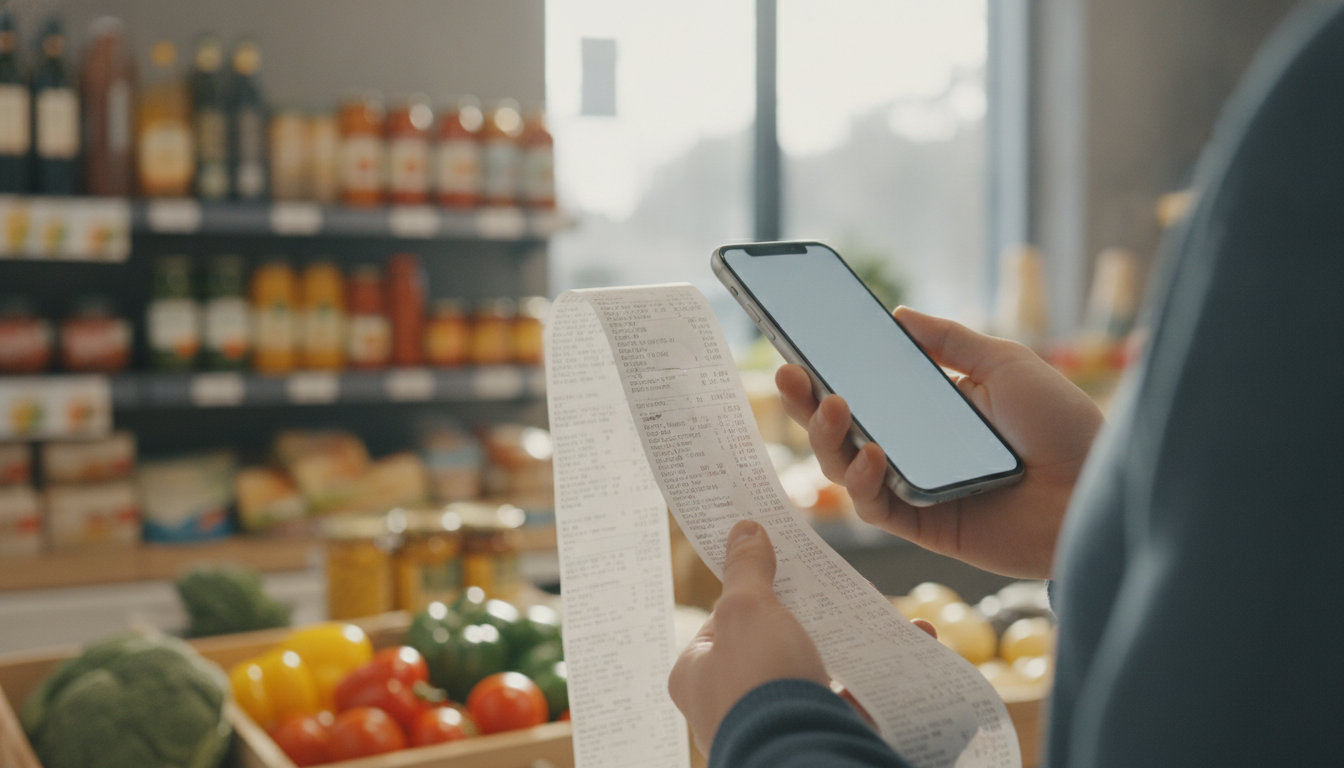
You've just wrestled a meter-long Esselunga scontrino out of your wallet, a faded thermal paper strip dotted with cryptic abbreviations. You remember grabbing the supermarket's own-brand pasta, thinking you were being savvy, but did you *really* save money compared to your favourite branded spaghetti? It's tough to tell just by looking at a single receipt. The true story of your private label vs brand savings is hidden in the piles of Kassenbons and tickets de caisse that usually end up in the bin – unless you start measuring them properly.
TL;DR: Many shoppers assume private label products are always significantly cheaper than national brands. While often true, the *actual* savings can vary wildly by product, shop, and promotional cycles. Tracking these differences accurately over time, using your scanned receipts and an app like Costmanager.online, reveals your true savings potential. This article shows you how to use your own spending data to discover where private labels truly win out and when a brand might actually be better value.
What's the Difference: Private Label vs. Brand?
Before we dive into the numbers, let's quickly clarify what we're talking about.
- National Brands: These are the household names you recognise from advertising – think Barilla pasta, Nestlé chocolate, or Coca-Cola. They're sold in many different supermarkets and often command a premium price due to marketing, established reputation, and perceived quality.
- Private Label (or Store Brand/Own Brand): These are products sold exclusively by a particular retailer under their own name. Examples include Lidl's Eridanous, Aldi's Gut Bio, Carrefour Bio, or Rewe Ja! products. Supermarkets often work with manufacturers to produce these items, sometimes even using the same factories that make national brands. The idea is to offer a more affordable alternative while building customer loyalty to the store.
The core promise of private label products is simple: similar quality at a lower price. But how much lower? And is it always worth it?
The Perception vs. Reality of Savings
Most of us intuitively reach for the private label version of basics like milk, sugar, or tinned tomatoes because we *believe* it's cheaper. And often, it is. The lower marketing costs and streamlined distribution for private labels allow supermarkets to pass savings on to the customer.
However, the actual saving isn't always as dramatic as you might think. A 50-cent difference on a €2 item is a 25% saving, which is great. But if the branded item is on a special promotion, that gap might shrink or even disappear. Also, for some specific products, the quality difference might be significant enough to justify paying a bit more for the brand – especially if you value taste or specific ingredients.
The challenge is that without concrete data, these are just gut feelings. You might *feel* like you're saving, but how much are you *really* putting back into your pocket each month by opting for private labels?
The Challenge: Why Tracking Savings is Hard
Manually tracking your grocery spending to compare private label vs brand savings is a nightmare. Here's why:
- Faded Receipts and Cryptic Abbreviations: That Lidl Kassenbon you got last week is already illegible. Even if it wasn't,
Frequently asked questions
Are private label products always cheaper than national brands?
Not always. While private labels are generally more affordable due to lower marketing costs, promotional offers on national brands can sometimes make them equally or even more competitive. Tracking price history with an app like Costmanager.online helps you see the actual price differences over time and identify true savings.
How can I compare the quality of private label vs. branded items?
The best way is through personal taste tests and comparing ingredient lists. Buy both versions of a product, like olive oil or pasta, and try them side-by-side. For non-food items, check user reviews or simply assess their performance and durability yourself. Don't be afraid to experiment to find your preferred balance of price and quality.
Does Costmanager.online use my data for anything else?
No. Costmanager.online processes your receipt data using Google's Gemini AI for accurate reading and categorisation, but this data is never sold. Nothing is saved to your account until you review and approve it, ensuring your financial insights remain private and solely for your use.
What's the easiest way to track my private label vs brand savings?
The easiest way is to consistently scan all your grocery receipts with a dedicated app like Costmanager.online. Its AI-powered scanner accurately extracts product names and prices, allowing you to track individual item prices over time and across shops, revealing exactly how much you save by choosing private labels.